

sales@zjlinkwin.com

Mobile
+86 15706104016



sales@zjlinkwin.com
Mobile
+86 15706104016
The global gardening tools market is seeing strong and steady growth, fueled by growing interest in home gardening, urban greening, and more sustainable living choices. According to recent industry reports (such as from Global Market Insights), the market was valued at around USD 93 billion in 2024 and is expected to reach approximately USD 98 billion in 2025, continuing to grow toward USD 161 billion by 2034 at a compound annual growth rate (CAGR) of 5.7%.
This upward trend reflects real shifts in how people are living: more homeowners and apartment dwellers are turning to gardening for relaxation, fresh food, mental well-being, and eco-friendly habits. Popular segments include essential hand tools like pruning shears, root extractors / weed pullers, and complete tool sets — items that everyday gardeners rely on for precise, enjoyable work without frustration.
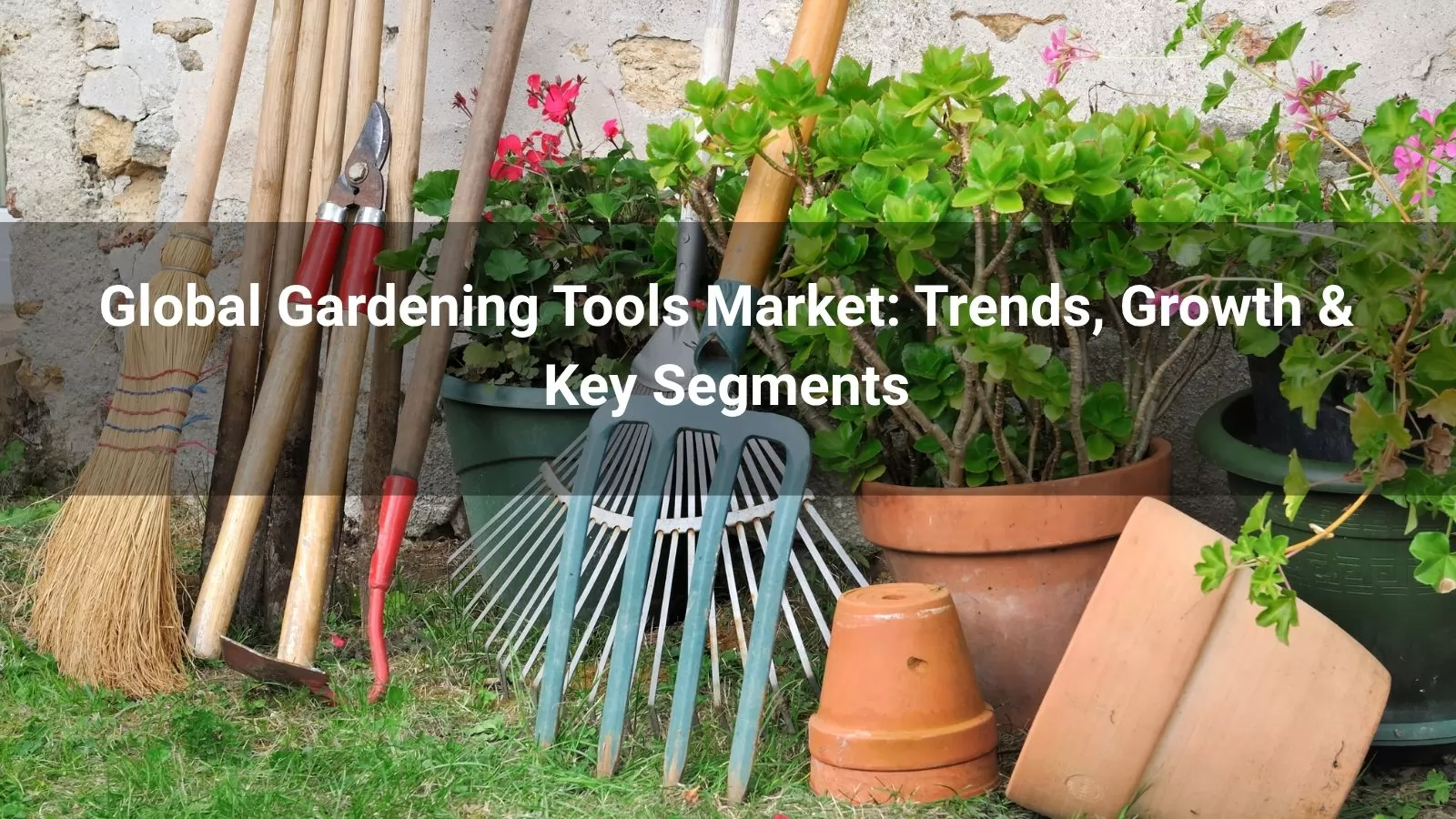
Consumers today clearly favor durable, ergonomic, and eco-conscious products: think stainless steel or rust-resistant materials, lightweight designs that reduce strain, and options with sustainable sourcing or recycled components. E-commerce has made it easier than ever to discover and buy high-quality tools, with fast shipping and detailed reviews helping people choose what truly lasts.
Whether you're starting a small balcony garden, maintaining a backyard oasis, or tackling urban landscaping, the market is responding with innovative, reliable options that make gardening more accessible and rewarding for everyone.
This summary keeps the facts grounded in credible recent data while staying honest, approachable, and focused on what actually matters to real gardeners like you.
The gardening tools industry encompasses hand tools, powered equipment, and accessories essential for cultivation, maintenance, and landscaping. In 2026, the market benefits from post-pandemic shifts toward outdoor wellness and self-sufficiency, with global sales boosted by a 6.3% CAGR in broader gardening equipment segments, reaching USD 102.13 billion overall. Key drivers include:
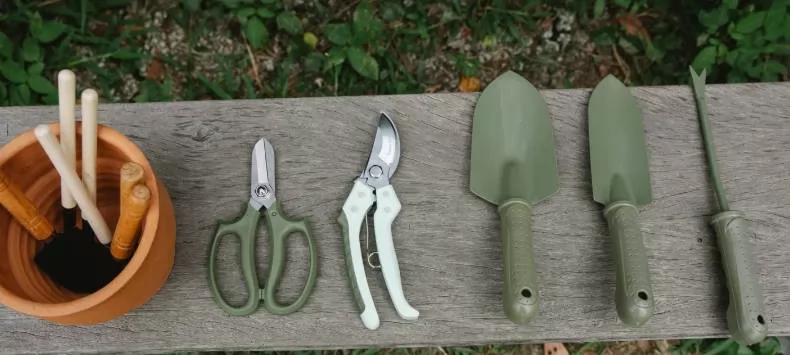
Regional dynamics show North America dominating with a 35% share, valued at USD 26.78 billion in 2024 and growing at 6.55% CAGR, while Europe emphasizes sustainable innovations.
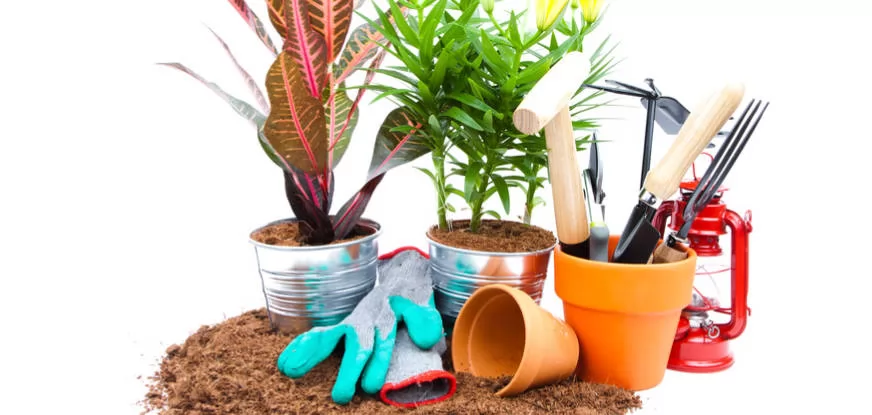
The core gardening tools segment is estimated at USD 119.13 billion in 2026, up from USD 112.15 billion in 2024, with a 6.22% CAGR to USD 193.04 billion by 2033. Hand tools, including shovels and shears, account for ~30% of the market, driven by residential use (54.8% share).
| Year | Market Size (USD Billion) | CAGR (%) |
|---|---|---|
| 2024 | 93.2 - 112.15 | - |
| 2026 | 98 - 119.13 | 5.7 - 6.22 |
| 2030 | 138.90 - 193.04 | 6.3 |
| 2034 | 161 - 136.45 | 6.54 |
Sources: Aggregated from Global Market Insights, Grand View Research, and Market Data Forecast.
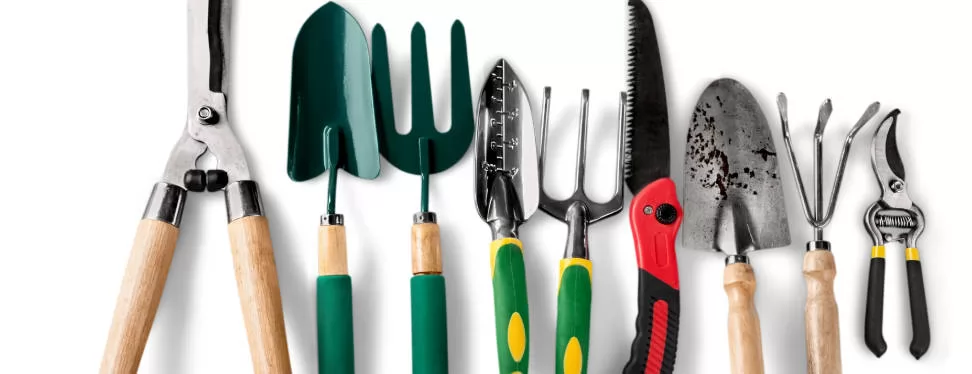
E-commerce channels are surging at 8.5% CAGR, offering easy access to specialized items like heavy-duty gardening tool kits.
Hand tools dominate residential sales, with stainless steel variants prized for rust-proofing and longevity. High-search-volume terms reflect consumer focus on quality and ergonomics.
Challenges include raw material costs for stainless steel and competition from low-cost imports. Opportunities lie in emerging markets like Latin America (3.8% CAGR) and customization for urban users. Manufacturers should invest in R&D for cordless innovations to capture the USD 3.1 billion growth in garden tools by 2029.
The 2026 global gardening tools market thrives on durability, sustainability, and accessibility, with high-volume keywords signaling strong demand for specialized items like stainless steel pruning shears and reusable plant clips. As urbanization and eco-consciousness propel growth to USD 161 billion by 2034, stakeholders must prioritize innovation and digital channels to thrive. For tailored strategies, monitor regional shifts in Asia-Pacific and North America.







We use cookies to make the website work, to provide advanced features, social media and traffic analysis, and we use analytics and third-party advertising cookies. If you choose to click "Deny All", you will retain the default setting of not allowing the use of cookies or other tracking tools other than technical tools.




.png)

.png)



.png)