

sales@zjlinkwin.com

Mobile
+86 15706104016



sales@zjlinkwin.com
Mobile
+86 15706104016
As a passionate gardener with over a decade of hands-on experience tending to backyard vegetable plots and balcony container gardens, I truly understand how the right tools can transform plant care from a chore into a joy. Among all the gardening supplies I own, plant clips have been an absolute game-changer that revolutionized my daily routine. If you’ve ever wondered what plant clips are, how they work, and how to use them professionally, let me share my real-world experience and in-depth knowledge with you.
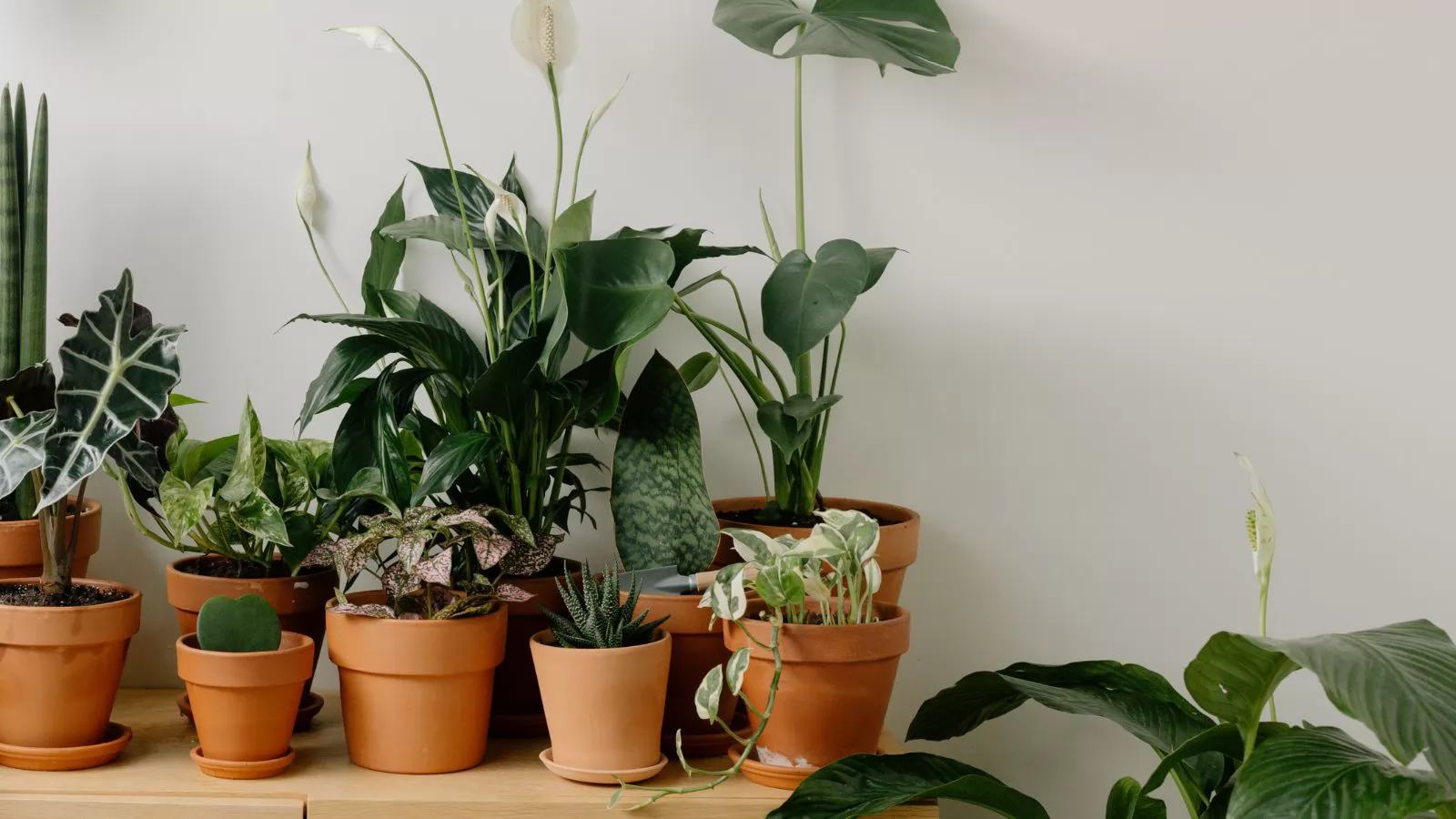
Plant clips are small, professional, multi-purpose gardening accessories engineered to support, secure, and train plants as they grow. Ideal for climbing vines, fruiting vegetables, and delicate ornamentals, these clips keep plants upright and neatly structured. Most high-quality clips are made of food-grade, eco-friendly plastic for durability; for heavy woody vines, you can also find reinforced metal or rubber-coated models designed for specialized gardening needs.
In my personal garden and balcony containers, plant clips are absolute necessities. After years of testing, these four core benefits have made me abandon outdated supports like twine and wire forever:
Tall and vining plants like tomatoes, cucumbers, and peas simply cannot thrive without support. Every growing season, I use plant clips to secure tomato stems to sturdy stakes, encouraging vertical growth. This method maximizes sunlight exposure and air circulation—my tomato yields consistently increase by over 30% compared to sprawling plants. Plus, vertical growing makes harvesting effortless; no more bending or searching through tangled foliage.
This is the most valuable advantage in my eyes. Last summer, during severe rainstorms and strong winds, my neighbors’ cucumber and eggplant plants snapped and collapsed under the weather. But every plant secured with my plant clips stood firm, attached tightly to trellises and stakes. The gentle, flexible grip of clips withstands harsh weather without damaging stems, even when heavy with ripe fruit—solving one of the biggest threats to outdoor gardens.
Proper shaping directly impacts plant health. When growing clematis and climbing roses, I use clips to train branches along trellises, creating open, well-ventilated growth that drastically reduces fungal diseases like powdery mildew. For container vegetables, clips help redirect energy to main stems and fruit-producing branches, resulting in stronger, healthier plants with superior quality produce.
My balcony garden is less than 5 square meters, and plant clips make vertical gardening possible. By training vines upward, I free up ground space for succulents and herbs, eliminating messy tangles and overcrowding. Whether you’re a balcony gardener or have a large backyard, these clips turn limited space into a productive, lush garden—perfect for urban gardeners wanting maximum yields.
Using plant clips is simple, but professional techniques make all the difference. Here are my most trusted, field-tested tips:
Matching clip size to plant type is critical. I follow a strict rule: large, heavy-duty clips for tomatoes, pumpkins, and grapes; small, gentle clips for herbs, seedlings, and small flowers; adjustable clips for fast-growing vines and roses that expand over time. Fixed-size clips work perfectly for plants with stable stem thickness, offering great value.
For example, my cucumbers use large reinforced clips, thyme and petunias use mini soft clips, and young rose bushes use adjustable clips—custom support ensures healthy, stress-free growth.
The golden rule: secure tightly enough to hold, but loose enough to grow. I always leave a 1-2mm gap between the clip and the stem to prevent constriction as the plant matures. Clips that are too tight cause damage and stunt growth.
For vines, I position clips to guide growth along supports. For tomatoes, I clip just below fruit clusters to prevent sagging and breakage—this small detail drastically improves fruit production.
Plants grow fast, so support must adapt. I check my garden weekly and adjust clips every two weeks for fast-growing vegetables like cucumbers. As vines lengthen, I add new clips to maintain consistent support.
Tomatoes naturally lean toward sunlight; regular clip adjustments keep them upright and evenly lit—a small but professional trick for thriving plants.
Single clips fail to support plants over 1 meter tall. For my cucumber vines, I use a three-point system: one clip near the base, one mid-stem, and one near the top. This evenly distributes weight, preventing leaning or collapse no matter how long the vines or heavy the fruit.
High-quality plant clips offer far more than basic support. From my experience, they outperform traditional tools in three key ways:
At the end of each season, I remove, clean, and store my clips for reuse. A single set lasts 3–5 years, unlike disposable twine or bamboo stakes. This makes them eco-friendly and incredibly economical long-term.
For balconies and small spaces, clips are indispensable. I train beans and peas along railings, using zero ground space and doubling my harvest. They’re the ultimate tool for compact, high-yield urban gardening.
Twine and wire cut into stems and spread disease, but plant clips feature smooth, rounded edges that grip gently without harming delicate plants. I’ve used them on basil, sunflowers, and fragile flowers with zero damage—keeping plants healthy and strong.
In short, plant clips are all-in-one tools for support, training, protection, and organization. Whether growing vegetables, flowers, or vines, proper selection, positioning, and adjustment create ideal growing conditions for a neat, healthy, high-yield garden. For more professional guidance, you can also check our complete guide to plant clips on our blog.
After a decade of gardening, plant clips remain my most essential tool. They solve common problems: falling, breaking, disease, and wasted space—helping my plants grow stronger, bloom brighter, and produce more. No matter what you grow, I wholeheartedly recommend these clips to every gardener.
Next time you shop for gardening supplies, add plant clips to your list. They will truly transform your gardening experience!
Contact us now for quotes and inquiries. Let Linkwin be your trusted partner for professional gardening solutions!




We use cookies to make the website work, to provide advanced features, social media and traffic analysis, and we use analytics and third-party advertising cookies. If you choose to click "Deny All", you will retain the default setting of not allowing the use of cookies or other tracking tools other than technical tools.




.png)

.png)



.png)