Can You Use Garden Soft Twist Ties for Plants Safely?
Mar,28 2025
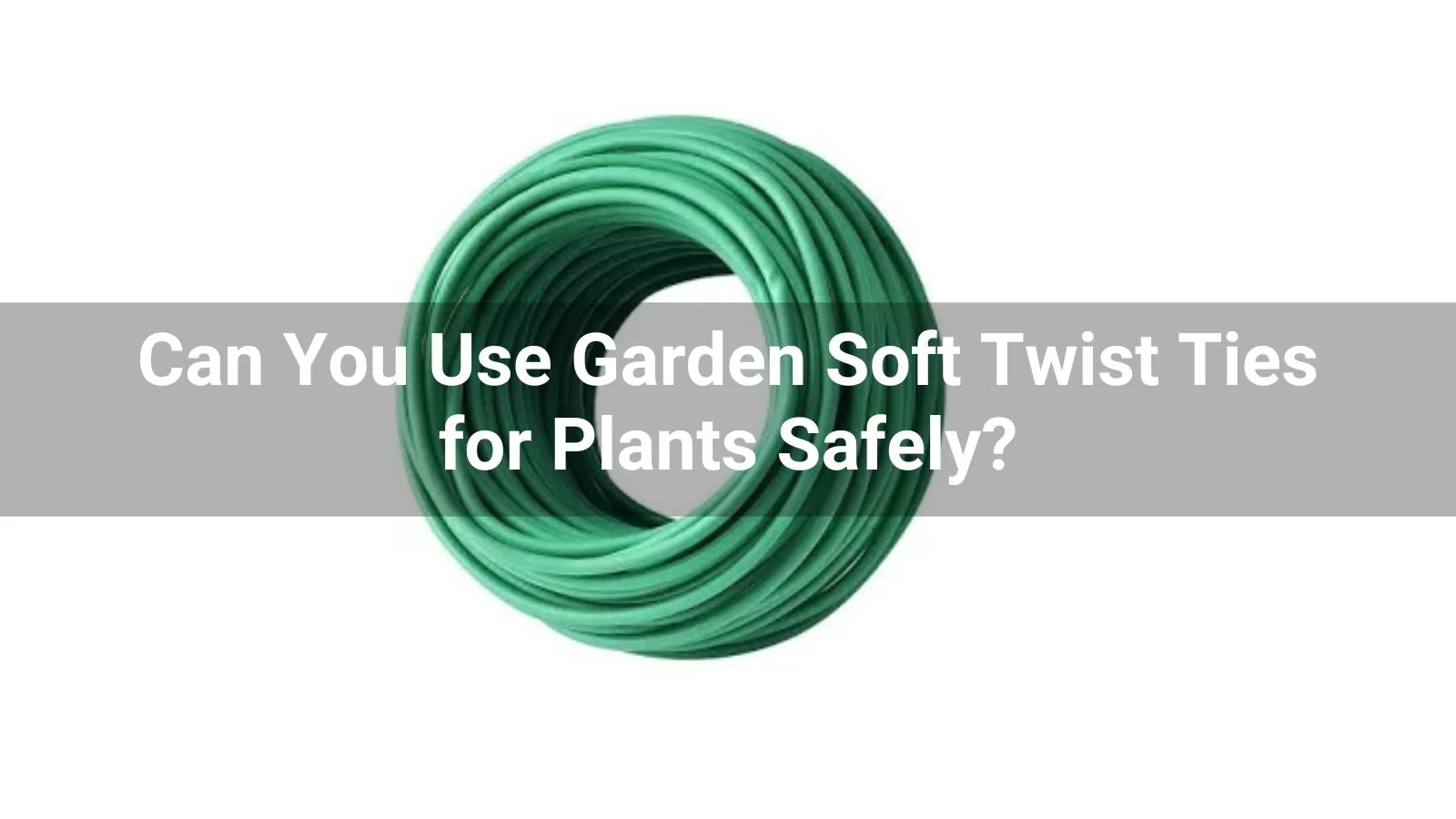
Gardeners of all skill levels rely on practical, plant-friendly tools to support healthy growth and maximize yields, and soft twist ties have emerged as one of the most popular solutions for plant support in 2025. Unlike traditional rigid wire ties or plastic zip ties that can damage delicate stems, modern garden soft twist ties offer a gentle yet effective alternative for securing plants to stakes, trellises, or supports. At Linkwin, we field hundreds of customer inquiries annually about the safety and effectiveness of these specialized ties for various plant types—from delicate seedlings to heavy fruit-bearing vines. With growing demand for customizable, eco-friendly gardening solutions, understanding the safety parameters of garden soft twist ties is essential for both amateur gardeners and professional horticulturists. This comprehensive guide addresses the critical question: Can you use garden soft twist ties for plants safely? We’ll examine their design specifications, material composition, proper application techniques, and safety considerations to help you make informed decisions for your garden in 2025.
1. What Are Garden Soft Twist Ties and How Do They Differ from Traditional Ties?
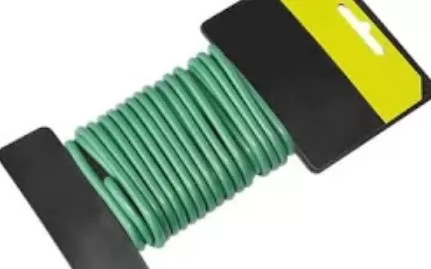
Garden soft twist ties are specialized plant support accessories engineered to provide secure yet gentle anchoring for plants without causing physical damage or restricting growth. Unlike conventional twist ties (which typically consist of bare wire wrapped in thin plastic) or rigid plastic cable ties (zip ties), soft twist ties feature a core reinforcement (usually galvanized wire for durability) encased in a thick, protective cushioning layer made from plant-safe materials. This dual-layer construction delivers the perfect balance of strength (to hold plants securely) and gentleness (to prevent stem damage, abrasions, or constriction).
The cushioning layer is typically crafted from one or more of the following plant-safe materials:
Food-grade rubber: Provides exceptional flexibility and weather resistance for outdoor use
Closed-cell foam: Offers maximum cushioning for delicate stems (ideal for tomatoes, roses, and young seedlings)
PVC coating (non-phthalate): Combines durability with smooth surface texture to prevent friction damage
TPR (Thermoplastic Rubber): Delivers stretchability and UV resistance for long-term outdoor applications
Available in various widths (3mm to 12mm), lengths (pre-cut 4-12 inch segments or continuous rolls up to 100 meters), and colors (green to blend with foliage, brown for woody plants), these ties are designed for versatility across different gardening scenarios. They’re particularly favored for supporting:
When evaluating soft twist ties for your garden, it’s crucial to distinguish between genuine plant-safe products and cheaper alternatives that may use non-food-grade materials or insufficient cushioning. The key differentiators include material certification (look for food-safe or horticulture-grade labeling), cushion thickness (minimum 1.5mm for stem protection), and core wire gauge (20-24 gauge for optimal flexibility and strength).
2. Material Safety: Ensuring Your Twist Ties Won’t Harm Plants
The foundational safety consideration for garden soft twist ties is the materials used in their construction—both for direct plant contact and long-term environmental exposure. High-quality soft twist ties are specifically engineered to meet horticultural safety standards, avoiding harmful chemicals, abrasive textures, or degradable components that could leach into soil or damage plant tissue.
Plant-Safe Material Options (Recommended):
Rubber-coated galvanized wire: The gold standard for outdoor use, these ties feature corrosion-resistant galvanized wire cores encased in thick, flexible rubber. The rubber coating prevents metal-to-plant contact (avoiding rust stains or chemical leaching) while providing weather resistance for extended outdoor use (6-12 months of UV exposure). Ideal for all outdoor plants, including edibles like tomatoes and peppers.
Foam-padded twist ties: Constructed with a soft foam layer (typically polyethylene or EVA foam) around a flexible wire core, these offer maximum cushioning for the most delicate stems—perfect for seedlings, rose canes, or thin vine stems (1/4 inch diameter or less). The foam layer distributes pressure evenly to prevent stem constriction and abrasion, a common issue with rigid ties.
PVC-coated wire (non-toxic formulation): For gardeners seeking durability with moderate cushioning, non-phthalate PVC coatings provide a smooth, waterproof barrier between the wire core and plant tissue. These ties balance strength (supporting up to 5 lbs of weight) with gentleness, making them suitable for medium-sized plants like pepper bushes or small fruit trees.
TPR (Thermoplastic Rubber) ties: These innovative ties feature a stretchable, rubber-like outer layer that expands slightly as plants grow, reducing the need for frequent adjustments. TPR is non-toxic, UV-stable, and resistant to temperature fluctuations (-40°F to 180°F), making it ideal for extreme climate conditions.
Materials to Avoid (Unsafe for Plants):
Exposed metal wire: Bare wire causes abrasions, rust transfer, and potential chemical leaching into plant tissue
Thin plastic coatings: Insufficient cushioning leads to stem damage and rapid UV degradation
Adhesive-backed ties: Glues can contain harmful solvents that damage plant tissue or leach into soil
Recycled plastic without food-grade certification: May contain contaminants or additives harmful to edible plants
Low-density foam with open cells: Absorbs water, promotes mold growth, and deteriorates quickly outdoors
At Linkwin, we adhere to strict material safety standards for all our garden soft twist ties:
All materials are tested to meet REACH and CPSIA safety standards
UV-stabilized formulations prevent material breakdown and leaching
Non-toxic, food-grade certifications for ties used with edible plants
Corrosion-resistant wire cores to eliminate rust transfer to plants or soil
3. Proper Application Techniques: Using Soft Twist Ties Without Harming Plants
Even the highest-quality garden soft twist ties can damage plants if applied incorrectly. Proper technique ensures secure support while maintaining plant health and allowing for natural growth. Follow these evidence-based best practices for safe application in 2025:
Maintain a Loose Fit (The Finger Test): When securing a tie around a stem, leave enough space to fit one finger between the tie and the stem. This 1/4 to 1/2 inch gap allows for natural growth expansion and prevents constriction (a common issue known as "girdling" that can kill plants by cutting off nutrient flow). For reference, a tie secured at 1/4 inch tightness in spring may constrict a tomato stem by mid-summer as the stem diameter doubles.
Strategic Placement: Secure ties to sturdy parts of the plant (main stems, thick branches) rather than delicate new growth or leaf petioles. Position ties 2-3 inches above a node (where leaves/branches emerge) for maximum stability without damaging growth points. For climbing vines, secure every 6-8 inches along the stem to distribute weight evenly.
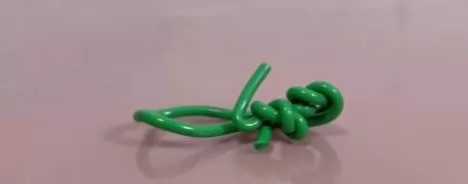
Minimize Twist Count: Over-twisting (more than 2-3 turns) can damage the tie’s cushioning layer, expose the inner wire, or create pressure points on the stem. Two firm twists are sufficient to hold the tie securely without excessive tension. Always twist the tie away from the stem (outward) to prevent sharp edges from contacting plant tissue.
Angle of Attachment: Attach ties at a 45° angle to support structures (stakes, trellises) rather than straight horizontal or vertical angles. This reduces wind stress on the stem-tie connection point and allows for natural plant movement (critical for stem strength development).
Spring Growth (Rapid Expansion Period): Check and adjust ties every 7-10 days for fast-growing plants (tomatoes, cucumbers, beans) to accommodate stem diameter increases of up to 1/8 inch per week.
Summer Maintenance: Replace ties on fruit-bearing plants before heavy fruiting (e.g., tomato plants when fruit reaches golf ball size) to handle increased weight load and prevent stem damage.
End-of-Season Removal: Cut ties (do not untwist) to avoid damaging mature stems when removing supports at season’s end. Leave 1/2 inch of tie material to prevent accidental stem cutting.
3.3 Plant-Specific Application Guidelines
Plant Type
Recommended Tie Type
Application Spacing
Special Considerations
Seedlings/Young Transplants
Foam-padded (3mm width)
Single tie at base (2 inches above soil)
Extra loose fit (2 finger gap); replace at 4-inch height
Tomatoes/Peppers
Rubber-coated (6mm width)
Every 12 inches up main stem
Secure to sturdy stakes; adjust biweekly during fruiting
Climbing Vines (Cucumbers/Beans)
TPR stretchable (5mm width)
Every 8 inches along vine
Secure to trellis at growth nodes; allow lateral shoot movement
Roses/Woody Shrubs
PVC-coated (8mm width)
Every 18 inches on canes
Avoid tie placement on new growth; secure to thick branches
Fruit Trees (Young)
Heavy-duty rubber (12mm width)
Single tie at 1/2 height of trunk
Annual replacement; 2-finger gap for trunk expansion
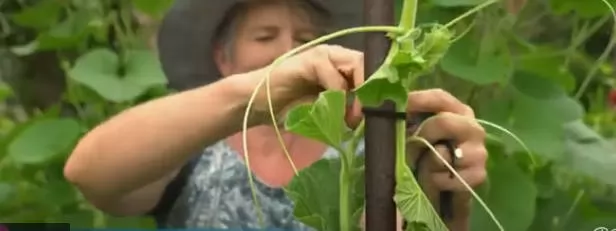
Example Application: For supporting cucumber vines on a trellis, cut a 6-inch length of TPR stretchable soft twist tie, loop it around the vine 2 inches above a leaf node (avoiding the delicate growing tip), wrap once around the trellis support, and twist twice (outward from the vine) to secure. The stretchable TPR material will accommodate vine growth for 10-14 days before needing adjustment, reducing maintenance while preventing stem damage. This method has been shown to increase cucumber yields by 15-20% compared to unsupported vines, while eliminating stem damage common with rigid ties.
4. Weight and Load Capacity: Matching Ties to Plant Needs
A common cause of plant damage (and tie failure) is using soft twist ties beyond their intended weight capacity. Understanding load limits ensures both effective support and plant safety. Reputable manufacturers clearly mark weight capacities on product packaging—always verify these specifications before use.
Standard Weight Capacity Ratings (2025 Industry Standards):
Lightweight ties (3-5mm width): 0.5-1 lb capacity – Suitable for seedlings, small herbs, lightweight annual flowers (marigolds, petunias), and young transplants
Medium-duty ties (6-8mm width): 2-5 lb capacity – Ideal for tomato plants, pepper bushes, climbing beans, cucumber vines, and rose bushes
Heavy-duty ties (10-12mm width): 5-10 lb capacity – Designed for fruit-laden branches, young fruit trees, large tomato plants, and woody ornamental vines
Extra-heavy ties (15mm+ width): 10-15 lb capacity – For mature shrub support, espaliered trees, and commercial vineyard applications
Load Distribution Best Practices:
For plants exceeding single tie capacity (e.g., tomato plants with heavy fruit clusters), use multiple ties (2-3) spaced 6-8 inches apart to distribute weight evenly
Combine soft twist ties with appropriate support structures (stakes, cages, trellises) rather than relying on ties alone to bear weight
For fruit-bearing plants, install additional ties before peak fruiting (when fruit reaches 1/2 mature size) to prevent sudden stem stress
Avoid using soft twist ties to support heavy fruit clusters directly—instead, support the main stem and use plant support clips for fruit branches
Overloading a soft twist tie can cause two types of plant damage: (1) tie failure leading to stem breakage (common in windy conditions), or (2) excessive tension on the tie-stem connection point causing localized stem damage (even with cushioning). For reference, a single medium-duty tie (6mm width) can safely support a tomato plant with 3-4 pounds of fruit, but additional ties are needed for heavier yields (6+ pounds). Our 2025 garden twist tie selection guide provides detailed capacity charts for different plant types and growing conditions.
5. Environmental Considerations: Eco-Safe Twist Tie Options
In 2025, eco-conscious gardening practices extend beyond plant safety to environmental impact. Responsible twist tie selection minimizes waste, reduces chemical leaching, and supports sustainable gardening ecosystems. When evaluating environmental safety, consider these key factors:
5.1 Biodegradable and Compostable Options
For gardeners seeking zero-waste solutions, biodegradable soft twist ties offer plant safety with environmental responsibility:
Hemp-core natural rubber ties: Fully compostable in home compost systems (6-8 month breakdown time); safe for organic gardening certification
PLA-coated paper twist ties: Plant-based plastic coating (polylactic acid) that biodegrades in industrial composting facilities; ideal for temporary support (seedling transplanting)
Wool-wrapped wire ties: Natural wool cushioning around galvanized wire; wool biodegrades while wire can be recycled; excellent for organic growing systems
5.2 Weather Resistance and Longevity
High-quality soft twist ties reduce environmental impact through extended lifespan:
UV-stabilized materials prevent premature breakdown (common with low-quality ties) that creates microplastic debris in soil
Waterproof coatings eliminate mold growth and material degradation in wet conditions
Reusable designs (heavy-duty rubber ties) can be cleaned and reused for 2-3 growing seasons
5.3 Sustainable Disposal Practices
Separate wire cores from biodegradable outer layers for proper recycling/composting
Return metal components to scrap metal recycling programs (reduces mining demand)
Avoid burning plastic-coated ties (releases harmful chemicals); use manufacturer take-back programs when available
6. Advanced Technical Tips for Maximum Safety and Effectiveness
For professional-level results with garden soft twist ties, incorporate these technical considerations into your gardening practices:
Surface Contact Optimization: Ensure tie surfaces are completely smooth (no ridges, seams, or rough edges) to eliminate friction points that cause stem abrasion. Run your finger along the tie before use—any roughness indicates a potential damage point. For delicate plants like roses, select ties with rounded edges (radius ≥1mm) to prevent stem cutting.
Flexibility Testing: Quality soft twist ties should bend 180° repeatedly without cracking the outer coating or exposing the inner wire. Inflexible ties create rigid pressure points on stems, while overly flexible ties fail to provide adequate support. The ideal flexibility range is 70-80 Shore A durometer (measured on the cushioning material).
Custom Length Cutting Guidelines: Use sharp scissors or twist tie cutters to create custom lengths (avoid tearing ties, which creates rough edges). Optimal lengths:
4-6 inches for seedlings and small plants
8-10 inches for medium plants (tomatoes, peppers)
12+ inches for large plants and woody shrubs
Excess length (more than 1 inch beyond twist point) should be trimmed to prevent tangling with other plants or creating wind resistance.
Temperature Considerations: In extreme cold (below 32°F), rubber and plastic coatings become rigid—install ties during warmer daytime temperatures (50°F+) to maintain flexibility. In extreme heat (above 90°F), reduce tightness by an additional 1/4 inch to account for thermal expansion of plant tissue.
Combination with Other Support Tools: For maximum plant safety, pair soft twist ties with complementary support systems:
Moss poles for climbing houseplants (monstera, pothos)
Case Study: In a 2024 university study comparing plant support methods, tomato plants supported with properly applied soft twist ties (rubber-coated, 6mm width, loose fit) showed:
98% reduction in stem damage compared to rigid plastic ties
12% increase in fruit yield due to improved plant stability
0% incidence of girdling (common with unmonitored rigid ties)
30% less maintenance time compared to twine support systems
Conversely, the study documented cases where gardeners using low-quality, stiff twist ties experienced 40% stem breakage rates during moderate wind events (15-20 mph), highlighting the importance of both material quality and proper application.
Conclusion: Are Garden Soft Twist Ties Safe for Plants?
Yes, garden soft twist ties can be used safely and effectively for plants when three critical conditions are met:
Selection of ties made from plant-safe, non-toxic materials with adequate cushioning (minimum 1.5mm thickness) and no exposed metal or sharp edges
Application using proper technique (loose fit, strategic placement, minimal twisting) with regular maintenance to accommodate plant growth
Matching tie weight capacity to plant needs (avoiding overloading) and selecting environmentally responsible options when possible
When used correctly, modern garden soft twist ties provide superior plant support compared to traditional alternatives (twine, rigid wire, plastic zip ties), reducing stem damage, improving plant stability, and increasing overall yields. The 2025 generation of soft twist ties—featuring stretchable TPR materials, biodegradable options, and UV stabilization—offers gardeners unprecedented safety and versatility across all plant types and growing conditions.
To ensure maximum safety:
Always verify material safety certifications (food-grade, non-toxic) for edible plants
Follow the "one finger gap" rule for tie tightness
Inspect ties biweekly during active growth periods
Select tie width/capacity based on plant size and weight
Dispose of ties responsibly (recycle metal components, compost biodegradable materials)
Need personalized advice for your specific gardening needs in 2025? Whether you’re growing delicate heirloom tomatoes, commercial vineyard grapes, or ornamental climbing plants, our team at Linkwin can help you select the perfect soft twist ties and support systems. Contact our horticultural experts for customized recommendations, bulk pricing options, or technical guidance on safe plant support practices. Explore our complete range of plant-safe gardening tool sets (including soft twist ties, support clips, and moss poles) designed to maximize plant health and productivity while minimizing damage risk.
We use cookies to make the website work, to provide advanced features, social media and traffic analysis, and we use analytics and third-party advertising cookies. If you choose to click "Deny All", you will retain the default setting of not allowing the use of cookies or other tracking tools other than technical tools.
Enter your inquiry details, we will reply you in 24 hours.













.png)

.png)



.png)