

sales@zjlinkwin.com

Mobile
+86 15706104016



sales@zjlinkwin.com
Mobile
+86 15706104016
As someone who has been gardening and propagating plants for over a decade, I can honestly say: propagation is where the magic happens. Growing new plants from seeds, cuttings, or divisions isn’t just rewarding—it’s how I expand my garden, share plants with friends, and maintain healthy, productive growth year after year. But success never comes down to luck. In my experience, the right tools make 80% of the difference.
_1737352002_WNo_1600d900.webp)
Today, I want to share my personal, hands-on guide to the essential tools for plant propagation and support that I rely on daily: seed starting trays, seed starter kits, plant support, garden ties, moss poles, plant clips, and vineyard tying machines. I’ll include real scenarios, mistakes I’ve made, and professional tips to help you grow stronger, healthier plants.
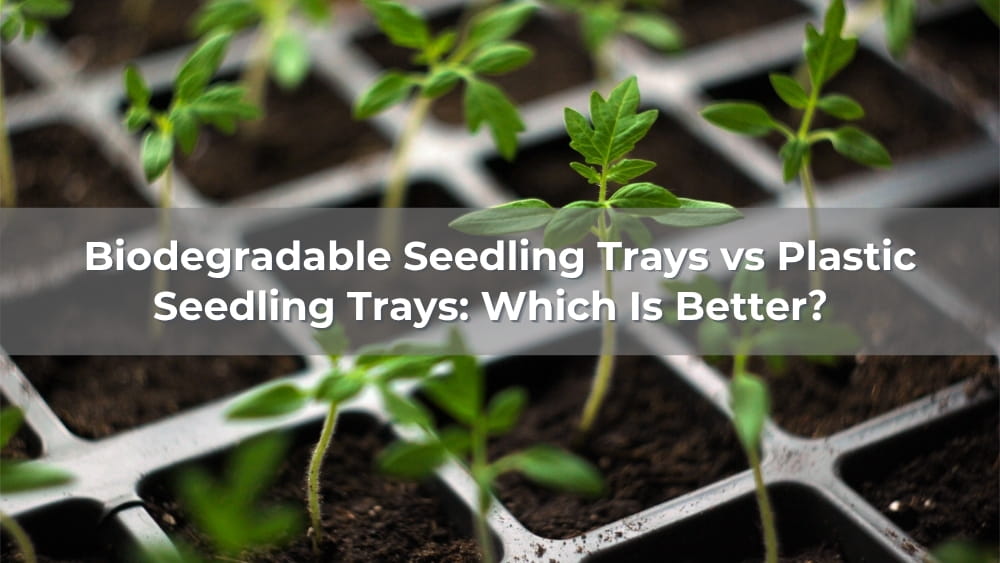
I’ve tried sowing seeds directly in soil, plastic cups, and even recycled containers—but nothing beats professional seed starting trays. These are not just plastic trays; they’re engineered for germination success.
Each cell isolates roots, prevents tangling, and reduces transplant shock. The drainage holes at the bottom stop overwatering and root rot—two of the biggest killers of young seedlings. I use deep-cell trays for vegetables like tomatoes and peppers, as they encourage longer, stronger taproots.
My real experience: Before using dedicated 72-cell seed starting trays, I often lost 30–40% of seedlings to damping-off or poor root growth. Now my germination success rate is consistently above 90%. For serious propagation, I always choose deep plug trays for vigorous root development.
When friends ask me how to start gardening, I always recommend a complete seed starter kit. New gardeners often overcomplicate things—but a good kit removes all guesswork.
The kits I use include trays, humidity domes, labels, and sometimes growing medium. The clear dome is critical: it locks in moisture and heat, creating a mini greenhouse that speeds up germination by days or even a week.
My real experience: I’ve used kits to start herbs, flowers, and vegetables indoors weeks before the last frost. Using seed starting trays with domes gives young plants the gentle, stable environment they need to thrive. It’s simple, clean, and perfect for beginners.
Once seedlings grow tall, they become vulnerable. Wind, rain, and heavy fruit will bend or snap stems without proper plant support. This is non-negotiable for tomatoes, cucumbers, beans, sunflowers, and flowering vines.
Support structures—stakes, cages, trellises—keep plants upright, improve air circulation, reduce mold, and increase sunlight exposure. I’ve seen entire tomato crops collapse overnight because supports were added too late.
My real experience: I install supports when plants are only 12–18 inches tall. Waiting longer risks damaging roots and stems. For climbing vegetables, sturdy supports double yields and make harvesting far easier.
Garden ties are indispensable. I use them every day to secure stems to stakes, train vines, fix branches, and organize growth. Unlike string or rope, quality twist ties are flexible, durable, and gentle on plants.
I prefer soft twist ties for delicate plants and heavy-duty garden wire ties for woody shrubs and vines. They’re reusable, weatherproof, and won’t cut into bark.
My real experience: Early on, I used twine that rotted quickly and wire that scarred stems. Switching to proper foam-coated garden ties completely eliminated stem damage. I now keep multiple rolls in my shed at all times.
If you grow monstera, philodendron, pothos, or any vining aroid, moss poles are game-changing. These natural supports mimic tropical tree trunks, letting aerial roots attach and climb naturally.
Plants growing on moss poles develop larger leaves, stronger stems, and a more attractive, upright form. I use coconut coir moss poles because they’re durable, eco-friendly, and hold moisture well.
My real experience: My monstera stayed small and leggy for years. After adding a moss pole, it exploded in growth, producing mature, split leaves within a single season. Every indoor climber needs this support.
Plant clips are simple but powerful. These lightweight plastic clips gently hold stems to supports without tying, cutting, or crushing delicate tissue.
I use them for seedlings, young vines, tomatoes, cucumbers, and flowers. They’re fast, reusable, and adjustable as plants grow. For large-scale use, I keep bulk packs of reusable plant support clips.
My real experience: Before using clips, I spent minutes tying each stem. Now I secure a plant in seconds. Clips also prevent stem girdling and make seasonal adjustments effortless.
For hobby gardeners, hand-tying works. But if you maintain rows of vines, grapes, tomatoes, or berries, a vineyard tying machine will transform your workflow.
These tools automatically feed, wrap, and cut tape in one motion. What takes 10 minutes by hand takes 30 seconds. They reduce fatigue, speed up maintenance, and ensure consistent, gentle tying.
My real experience: I’ve helped manage commercial vineyards where workers used electric vine tying machines. The labor savings are massive—especially during peak growing seasons. For anyone serious about scaling, this is essential equipment.
After years of trial and error, I’ve learned this: great plants start with great tools.
These tools aren’t expenses—they’re investments in healthier plants, higher yields, and less frustration. Whether you’re a home gardener or commercial grower, quality propagation tools change everything.
For years, I’ve trusted Linkwin for reliable, professional-grade gardening supplies. As a leading manufacturer, they offer everything from affordable plant propagation tools to heavy-duty vineyard equipment. Their products are designed by people who understand real gardening needs.
If you want consistent, professional results, start with the right tools—and watch your garden thrive.




We use cookies to make the website work, to provide advanced features, social media and traffic analysis, and we use analytics and third-party advertising cookies. If you choose to click "Deny All", you will retain the default setting of not allowing the use of cookies or other tracking tools other than technical tools.




.png)

.png)



.png)