Step-by-Step Guide to Using Seed Starter Trays with Dome

Apr,28 2026

Step-by-Step Guide to Using Seed Starter Trays with Dome

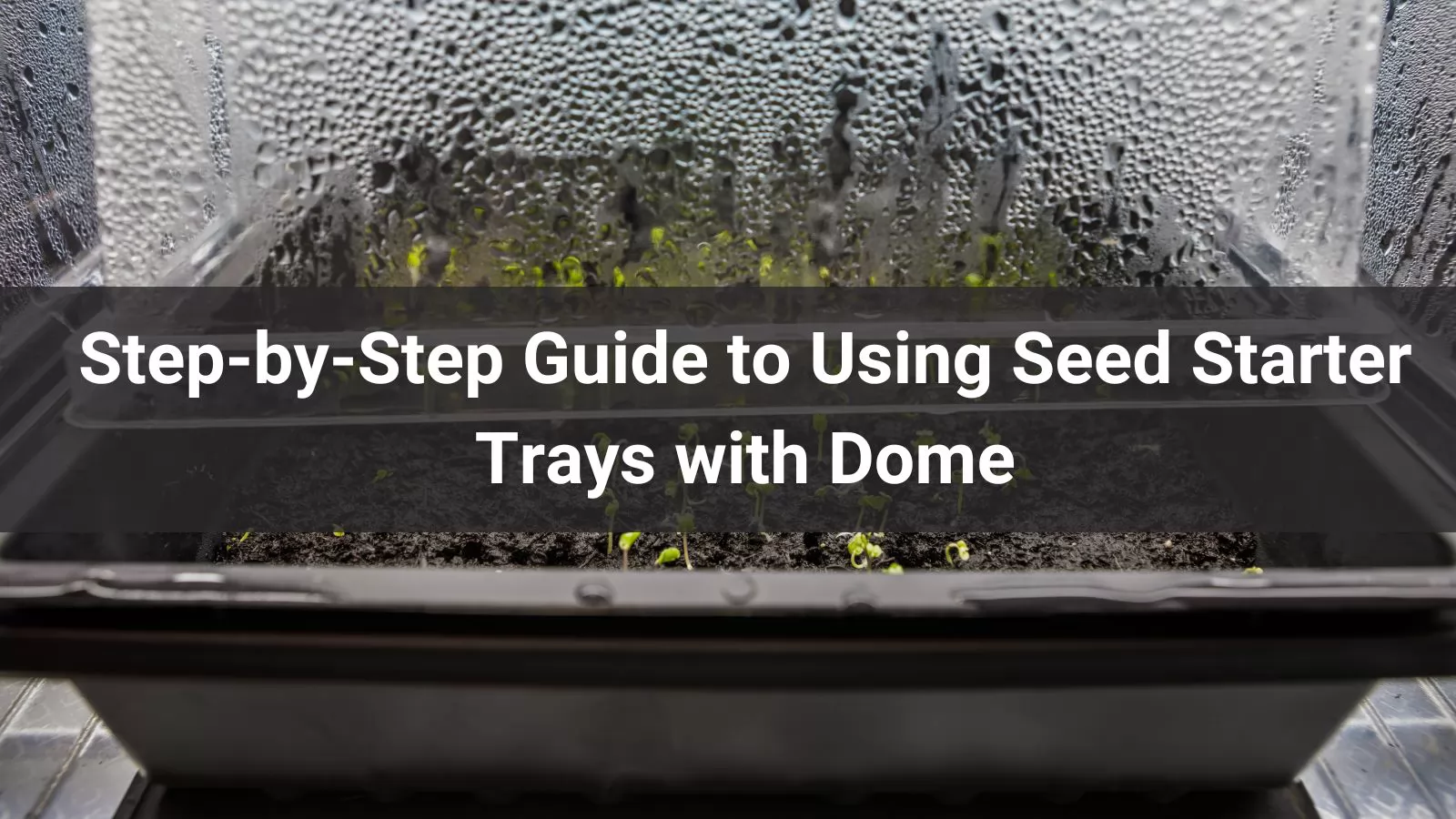
Seed starter trays with domes are the gold-standard mini-greenhouse tools for gardeners in 2026, designed to create a fully controlled germination environment that locks in ideal warmth, humidity, and moisture—eliminating the top causes of seed failure. Unlike basic planting trays, these all-in-one kits (individual growing cells, watertight base tray, clear humidity dome) deliver 90%+ germination success rates for vegetables, herbs, flowers, and microgreens, even for beginner gardeners in cold climates or low-humidity spaces. This 2026 expanded guide breaks down every step with actionable tutorials, real-world scenarios, troubleshooting fixes, and pro tips to help you grow sturdy, disease-free seedlings from sowing to transplanting.

Why Seed Starter Trays with Domes Are Non-Negotiable in 2026 Gardening

Before diving into setup, understand the core benefits that make these trays a must-have for both home gardeners and small-scale commercial growers:

  • Consistent 80-90% humidity levels: Prevents seed drying out, a top reason for no germination
  • Stable temperature control: Boosts sprouting speed by 3-7 days for warm-weather crops
  • Individual cell design: Eliminates root tangling, reduces transplant shock by 80%
  • Reusable & cost-effective: Sanitizable for 5+ growing seasons, cheaper than store-bought seedlings
  • Space-efficient: Fits on windowsills, countertops, or grow light racks for small-space gardening

1. Pre-Use Preparation: Clean, Sanitize & Gather Supplies (2026 Best Practices)

Step 1: Deep Clean & Sanitize Trays (Critical for Disease Prevention)

Reusing trays from past seasons? Skipping sanitization causes mold, damping-off disease, and stunted seedlings—follow this 2026 sanitization protocol:

  1. Scrub trays, cells, and domes with warm, soapy water to remove soil residue
  2. Prepare sanitizer: 1 part household bleach + 9 parts water (or 3% hydrogen peroxide for organic gardening)
  3. Soak all components for 15 minutes, then rinse thoroughly with clean water
  4. Air-dry completely in a sunny spot before use (moisture breeds bacteria)

New tray tip: Wipe new domes with a damp cloth to remove manufacturing dust—no harsh sanitizer needed.

Step 2: Gather All Essential Supplies (2026 Recommended List)

  • Seed starter tray with vented humidity dome (6-cell, 12-cell, or 72-cell bulk kits)
  • Premium sterile seed starting mix (avoid garden soil—too heavy, carries pathogens)
  • High-quality, non-GMO seeds (vegetables, herbs, flowers, or microgreens)
  • Fine mist spray bottle + watering can with rose sprinkler head
  • Waterproof plant labels & permanent marker
  • Full-spectrum grow lights (for indoor growing, 2026 top pick for low-light homes)
  • Seedling heat mat (optional, mandatory for tomatoes, peppers, eggplant in 2026)
  • Small dibber or pencil (for precise planting holes)

Step 3: Prep Seed Starting Mix (Damp, Not Soggy)

The #1 mistake is dry or waterlogged soil—fix it with this method:

  1. Pour seed starting mix into a large bucket
  2. Add warm water gradually, stirring continuously until mix clumps lightly when squeezed
  3. Fill tray cells to the top, gently tap the tray on a flat surface to settle soil
  4. Level the soil surface with your finger—do NOT pack tightly (roots need oxygen)

Pro 2026 tip: For organic gardening, mix 1 tbsp of worm castings per cell for gentle early nutrition.

2. Step-by-Step Seed Planting & Watering (2026 Precision Guide)

Follow seed packet instructions first—each plant has unique needs, but this universal method works for 95% of seeds:

Step 1: Sow Seeds at the Correct Depth

  • Small seeds (lettuce, basil, poppies): Surface-sow, do not cover with soil
  • Medium seeds (tomatoes, marigolds): 1/8 inch deep (1x seed diameter)
  • Large seeds (pumpkins, beans, squash): 1/4 inch deep (2x seed diameter)

Use a pencil to make small holes, drop 1-2 seeds per hole (extra seeds ensure germination), then lightly cover with soil.

Step 2: Label Every Cell (Avoid Mix-Ups)

Label with: Seed name, variety, planting date, germination days (critical for 2026 garden planning).

Step 3: Water Seeds Without Displacement (2 Methods)

Method 1: Top misting (best for small seeds)
Use a fine mist spray bottle to moisten the soil surface—hold 6 inches away to avoid washing seeds away.

Method 2: Bottom watering (best for all seeds, 2026 top choice)
Fill the base tray with 1/4 inch of room-temperature water
Set the cell tray inside (do not submerge cells)
Let sit 10-15 minutes until soil top is damp
Pour out excess water immediately—standing water causes root rot

3. Dome Usage & Optimal Germination Conditions (2026 Temperature & Humidity Chart)

The clear dome is your secret weapon—use it correctly to speed up sprouting:

Step 1: Secure the Dome & Set Vents

  1. Place the dome tightly over the tray to lock in humidity
  2. Close all vents initially (target 80-90% humidity for germination)
  3. Check dome daily: Light condensation is good; heavy dripping = open vents 1/4 way

Step 2: Ideal Temperature Settings (2026 Quick Reference)

  • Cool-season crops (lettuce, spinach, kale): 60-65°F (15-18°C)
  • Warm-season crops (tomatoes, peppers, basil): 70-80°F (21-27°C) – use heat mat if needed
  • Flowers (marigolds, zinnias): 65-75°F (18-24°C)

Placement rule: Keep trays in bright, indirect light—no direct sun (dome traps heat and cooks seeds).

Step 3: Daily Monitoring Routine

  • Check soil moisture: Lightly damp at all times (dry soil = instant germination failure)
  • Check condensation: Adjust vents if excess moisture builds up
  • Track sprouting: Most seeds sprout in 5-14 days (mark on your 2026 garden calendar)

4. Post-Germination Care 2026: Wean Off Dome & Grow Strong Seedlings

Once seedlings pop up with their first round leaves (cotyledons), it’s time to acclimate them—abrupt dome removal kills seedlings!

Step 1: Gradual Humidity Reduction (72-Hour Process)

  1. Day 1: Open dome vents fully (leave dome on)
  2. Day 2: Prop dome open 1/2 way with a stick
  3. Day 3: Remove dome completely (seedlings are now acclimated)

Step 2: Light Requirements (Prevent Leggy Seedlings)

Seedlings need 12-16 hours of bright light DAILY—this is non-negotiable in 2026:

  • Indoor: Full-spectrum grow lights, positioned 2-4 inches above seedlings (raise as plants grow)
  • Outdoor: South-facing window with indirect sunlight (rotate tray daily for even growth)

Warning: Insufficient light = tall, thin, weak seedlings that die after transplanting.

Step 3: Thin Seedlings & Feed

  • Thin: Snip weaker seedlings at soil level (1 per cell) – do NOT pull (damages roots)
  • Feed: Once true leaves (second set) appear, use 1/4-strength liquid organic fertilizer every 2 weeks
  • Air flow: Place a small fan nearby (low speed) to strengthen stems and prevent mold

5. 2026 Transplanting Guide: When & How to Move Seedlings

Transplant at the perfect time to avoid shock—look for these 3 signs:

  1. 2-4 true fully grown leaves
  2. Small white roots visible through tray drainage holes
  3. Stem is thick and sturdy (not leggy)

Timeline: 2-4 weeks after germination (varies by plant type).

Step 1: Harden Off Seedlings (Outdoor Transplanting Only)

7-10 day hardening off process (2026 mandatory step):

  1. Days 1-3: Place seedlings in shaded, wind-protected outdoor area for 2 hours
  2. Days 4-6: Increase to 4 hours, add dappled sunlight
  3. Days 7-10: Full outdoor exposure (bring indoors if temps drop below 50°F/10°C)

Step 2: Transplant Without Damage

  1. Water seedlings 1 hour before transplanting (loosens soil)
  2. Gently squeeze cell bottoms to push seedling root ball out
  3. Hold seedlings by leaves (NOT stems—stems bruise easily)
  4. Plant in pots or garden beds at the same depth as the tray cell
  5. Water thoroughly and shade for 2 days to settle

6. 2026 Troubleshooting: Fix Common Seedling Problems Fast

Don’t let failures stop you—these quick fixes solve 99% of issues:

No Germination After 14 Days

  • Cause: Soil too dry/cold, seeds planted too deep, old seeds
  • Fix: Re-moisten soil, add heat mat, check seed expiration date (2026 tip: use seeds ≤2 years old)

Mold Growing on Soil Surface

  • Cause: Excess humidity, no air flow, overwatering
  • Fix: Open dome vents fully, reduce watering, run a small fan near trays

Leggy, Tall Seedlings

  • Cause: Not enough light, too much heat
  • Fix: Move to grow lights, lower light height, reduce temperature by 5°F

Seedlings Dying Suddenly (Damping-Off)

  • Cause: Fungal disease from unsanitized trays or overwatering
  • Fix: Sanitize trays before use, bottom water only, improve air circulation

Yellowing Seedling Leaves

  • Cause: Nutrient deficiency or overwatering
  • Fix: Diluted fertilizer, let soil dry slightly between waterings

7. 2026 Pro Tips for Maximum Success (Beginner to Expert)

  • Cell size guide: 6-cell trays for large seeds (squash), 12-cell for medium (tomatoes), seed starting flats for small (lettuce/microgreens)
  • Bottom water ONLY after germination: Eliminates soil compaction and mold
  • Label everything: Track germination rates for your 2027 garden planning
  • Store empty trays in a dry, cool place after sanitizing to extend lifespan
  • For winter gardening: Pair trays with heat mats + grow lights for year-round seed starting

8. 2026 Best Uses for Seed Starter Trays with Domes

These trays are versatile for every gardener in 2026:

  • Vegetables: Tomatoes, peppers, lettuce, broccoli, carrots, spinach
  • Herbs: Basil, cilantro, mint, parsley, rosemary, thyme
  • Flowers: Marigolds, zinnias, pansies, sunflowers, petunias
  • Microgreens: Broccoli, kale, arugula, radish (fast 7-10 day harvest)
  • Commercial growers: Bulk 60-cell kits for high-volume seedling production

Related Gardening Guides & Resources

Learn more about seed starting and plant propagation with our expert resources:
Ultimate Guide to Starting Seeds in Trays and Humidity Domes | Seed Starting Trays: Jiffy vs Burpee | Step-by-Step Guide Using Seed Starter Trays with Dome | Planter Starter Trays vs Seed Growing Trays | Essential Garden Seeds & Starter Kit for Beginners | Guide to Plant Propagation Tools & Trays | Top Rated Tools for Plant Propagation | Best Seed Starter Kits: Top Picks

2026 Final Conclusion

Seed starter trays with domes remain the most reliable, cost-effective tool for successful seed propagation in 2026. By following this complete step-by-step guide—from sanitization and planting to acclimation and transplanting—you’ll grow healthy, robust seedlings that thrive in pots, raised beds, and garden beds. Whether you’re a first-time gardener or a seasoned grower, this controlled growing method eliminates guesswork and delivers consistent results every season. With proper care and sanitization, your seed starter trays will serve you for years of successful gardening ahead.

0 Comments
Leave a Comment
Your email address will not be published. Required fields are marked *
Submit Comment
Set A Consultation Today
*We respect your confidentiality and all information are protected.
send
You Might Also Like...
Contact Us
Contact Us
Keep In Touch
Send
accept cookies
reject all

We use cookies to make the website work, to provide advanced features, social media and traffic analysis, and we use analytics and third-party advertising cookies. If you choose to click "Deny All", you will retain the default setting of not allowing the use of cookies or other tracking tools other than technical tools.

Enter your inquiry details, we will reply you in 24 hours.
Send