

sales@zjlinkwin.com

Mobile
+86 15706104016



sales@zjlinkwin.com
Mobile
+86 15706104016
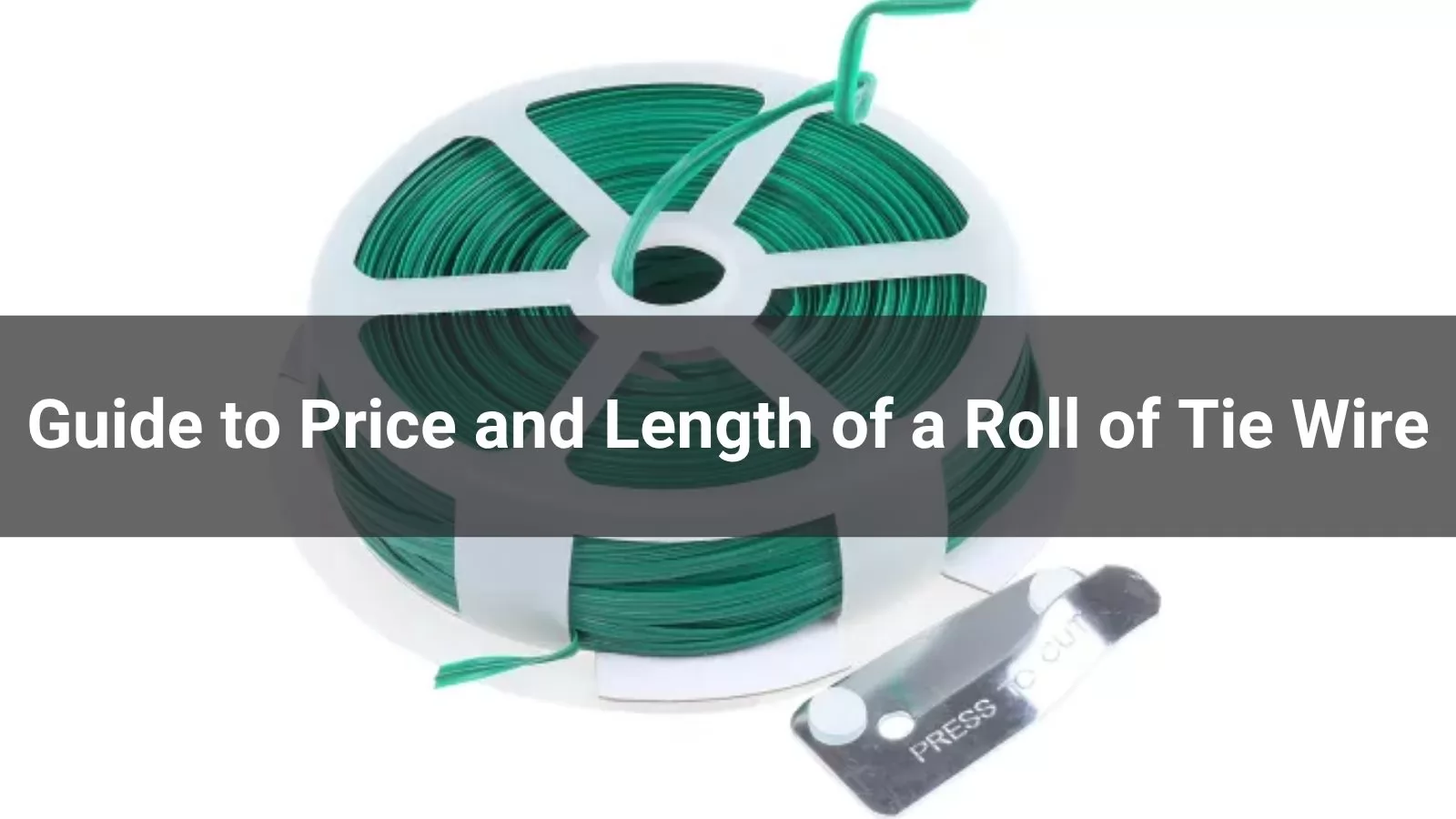
Tie wire is an indispensable material in construction, landscaping, and various industrial applications, primarily used for securing rebar, bundling materials, or even in crafting projects. Understanding both the price of a roll of tie wire and its length is critical for contractors, builders, and DIY enthusiasts aiming to manage project costs and material requirements effectively. This article explores the factors influencing tie wire prices, the typical length of a roll, current market trends, and key considerations for purchasing. You can also check our full ultimate twist tie guide and learn how garden twist ties are manufactured for more background knowledge.
Tie wire is typically a pliable, durable steel wire, often available in black annealed, galvanized iron (GI), or stainless steel forms. It is commonly used in construction to tie reinforcing steel (rebar) or mesh together before concrete placement. Tie wire comes in various gauges, with 16-gauge being a standard choice due to its balance of strength and flexibility. Rolls are sold in different weights and lengths, such as 3.5 lbs (approximately 330-360 feet) or heavier rolls up to 30 kg, depending on the supplier and region. For gardening scenarios, people often use lightweight soft garden twist tie wire, galvanized garden tie wire and brown kraft paper twist tie rolls to fix climbing vines and crops.
The length of tie wire in a roll can vary depending on the manufacturer and intended use, but a common length for a roll of tie wire is typically around 100 meters. However, some rolls may contain as little as 50 meters or significantly more, depending on the product. For example, a standard 3.5 lb roll of 16-gauge black annealed tie wire in the U.S. often measures approximately 100-110 meters (330-360 feet). Heavier rolls, such as a 30 kg roll of GI tie wire, may contain several hundred meters, but exact lengths depend on the wire’s gauge and the supplier’s specifications. It’s essential to check the specific product details from the manufacturer or supplier for accurate information, as variations are common. Our factory supplies standard length rolls including 30m twist tie rolls, 50m twist tie rolls and 100m twist tie rolls. Read our article Which Twist Tie Length Is Right For You: 30m, 50m Or 100m? to pick suitable length for your project.
Several factors contribute to the cost of a roll of tie wire:
Material Type: Tie wire is available in black annealed, galvanized iron, or stainless steel. Galvanized tie wire, coated with zinc for corrosion resistance, is typically more expensive than black annealed wire. Stainless steel options are even pricier due to their durability and resistance to rust. Garden-grade types include eco-friendly kraft paper twist ties and foam-coated soft TPR twist ties with higher material cost.
Gauge and Length: The thickness (gauge) and length of the wire directly impact the price. Common gauges include 14, 16, and 18, with 16-gauge being standard for construction. A typical 3.5 lb roll of 16-gauge black annealed tie wire (around 100 meters) might range from $8 to $32, while heavier rolls, such as 30 kg, can cost significantly more. Compare different sizes via 8-inch vs 7-inch twist tie comparison guide.
Quantity and Bulk Purchasing: Buying in bulk often reduces the per-roll cost. For instance, purchasing a box of 20 rolls of 16-gauge tie wire can lower the price per roll compared to individual purchases, which may cost up to $10.50 per roll at retail. If you are a wholesaler, check our list of top twist tie manufacturers in China and global worldwide twist tie suppliers for bulk cooperation.
Region and Supplier: Prices vary by geographic location and supplier. In the Philippines, a 1 kg roll of GI tie wire might cost ₱46 to ₱100, while a 30 kg roll could be priced at ₱2,100 or more. In the U.S., a 3.5 lb roll (approximately 100 meters) of 16-gauge tie wire ranges from $8.98 to $31.99, depending on the retailer and shipping costs. We have regional supplier guides such as twist tie manufacturers in USA, manufacturers in India and UK suppliers.
Market Fluctuations: The cost of raw materials like steel, along with global supply chain dynamics, can affect tie wire prices. Recent trends indicate price variations due to shipping costs, construction demand, and regional economic factors. Refer to our global gardening tools market analysis for industry price trend data.
Based on recent data, here are some indicative prices for a roll of tie wire:
Amazon.com: A 3.5 lb roll of 16-gauge black annealed tie wire (approximately 100-110 meters) ranges from $8.98 to $31.99, with free shipping on orders over $35 in some cases. Stainless steel rolls can cost up to $313.07 for specialized applications. You can view our best-selling top-rated garden twist ties for reference pricing.
Sandbaggy: A 3.5 lb roll of 16-gauge black annealed tie wire is priced lower in bulk, with wholesale pricing reducing costs compared to retail at $10.50 per roll. For bulk wholesale price consultation, visit our contact page.
Philippines (HardwareZonePH): GI tie wire prices range from ₱46 for a 1 kg roll (approximately 50-100 meters, depending on gauge) to ₱3,505 for heavier rolls.
Bianco (Australia): A 1.5 kg roll of tie wire is priced at $8.88 (including GST), while larger rolls can cost up to $31.89. Our full article Guide to Price and Length of a Roll of Tie Wire covers more regional price comparisons.
These prices are subject to change based on stock availability, shipping fees, and regional taxes. Some suppliers note that prices may vary without prior notice, and bulk orders may require a minimum purchase.
When buying a roll of tie wire, consider the following:
Project Requirements: Determine the gauge and length needed. For heavy-duty construction, 16-gauge or thicker wire (around 100 meters per roll) is ideal, while lighter gauges may suffice for smaller projects like fencing or crafts. For vineyard large-scale binding work, match tie wire with vineyard tying machines such as KS-EL06 and K50A1 models.
Corrosion Resistance: For outdoor or humid environments, galvanized or PVC-coated tie wire is recommended to prevent rust, though it comes at a higher cost. Check our deep dive ultimate guide to galvanized garden wire for anti-rust performance details.
Supplier Reliability: Verify stock availability and delivery options, as some suppliers have limited stock or require advance reservations. Online platforms like Amazon or Lazada offer convenience, but local hardware stores may provide competitive pricing. Learn how to select qualified suppliers via exploring global twist tie manufacturers guide.
Bulk Savings: If your project requires multiple rolls, purchasing in bulk (e.g., a box of 10 or 20 rolls) can significantly lower costs and ensure you have sufficient length for your needs. Our product bundle twist tie & plant clip combo kits help save cost for gardening buyers.
Check Specifications: Always confirm the length of the roll (e.g., 50 meters, 100 meters, or more) and the gauge to ensure it meets your project’s requirements, as these details can significantly affect both cost and usability. If you confuse twist tie and regular wire, read Understanding The Twist Tie Roll to distinguish specifications.
The price and length of a roll of tie wire are influenced by factors such as material type, gauge, quantity, and regional supplier differences. A standard roll often contains around 100 meters of wire, though this can vary from 50 meters to several hundred meters depending on the product. Prices range from as low as $8.98 for a 3.5 lb roll in the U.S. to ₱3,505 for heavier rolls in regions like the Philippines. By understanding your project’s specific needs, verifying product specifications (especially length), and exploring bulk purchasing options, you can secure tie wire at a cost-effective price while ensuring adequate supply for your construction or crafting needs. Always check with suppliers for the most accurate pricing and length details to avoid surprises. For more gardening binding tool knowledge, browse our blog Garden Tool Blog and view our full line of garden twine & twist tie products. To know our factory background, open About Linkwin page.






We use cookies to make the website work, to provide advanced features, social media and traffic analysis, and we use analytics and third-party advertising cookies. If you choose to click "Deny All", you will retain the default setting of not allowing the use of cookies or other tracking tools other than technical tools.




.png)

.png)



.png)